Pookie
Pookie features custom projection mapping and music production developed for DJGT Zvolen.
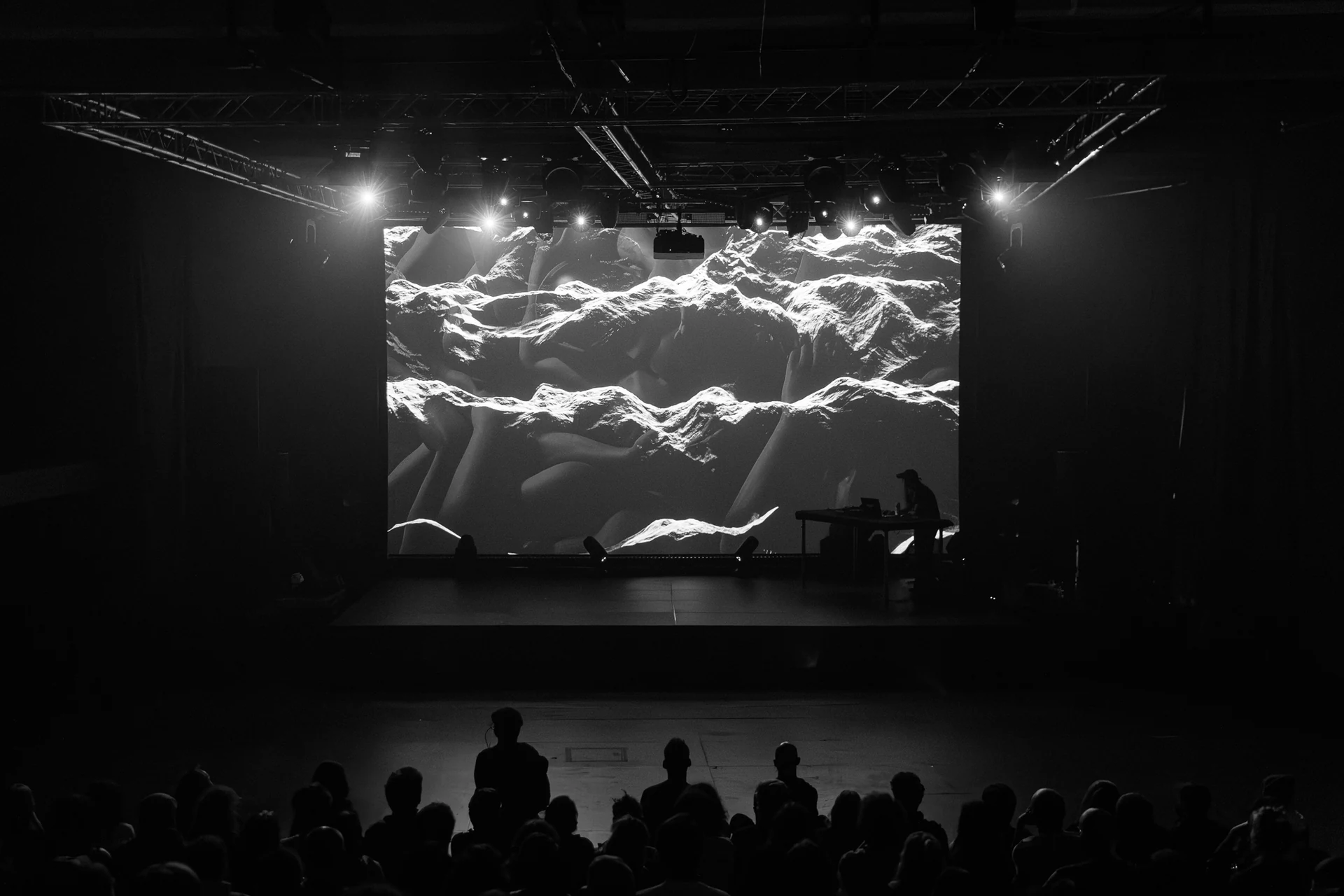
Narrative Absence is an AV performance exploring the roles stories play in human life and civilization. It examines how individual and collective narratives shape our paths, and what happens when they collapse—often resulting in turmoil or rebirth.
The work features fictional histories, tool usage, and social animal flocks disoriented by radar pings. The sonic landscape is built from my upcoming second album, expanding on themes from the debut record Amalgam. Premiered at Lunchmeat Festival 2023.
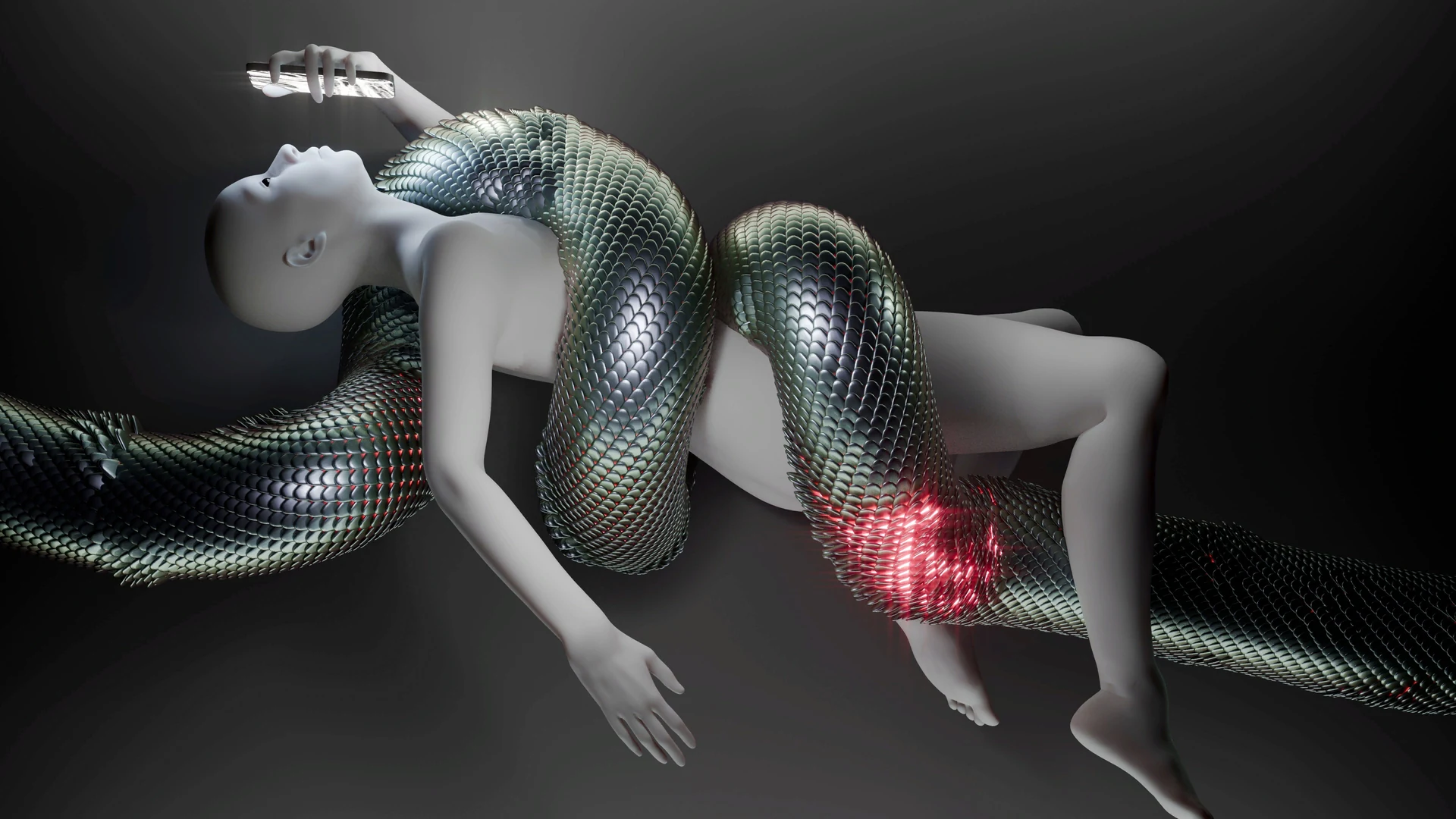
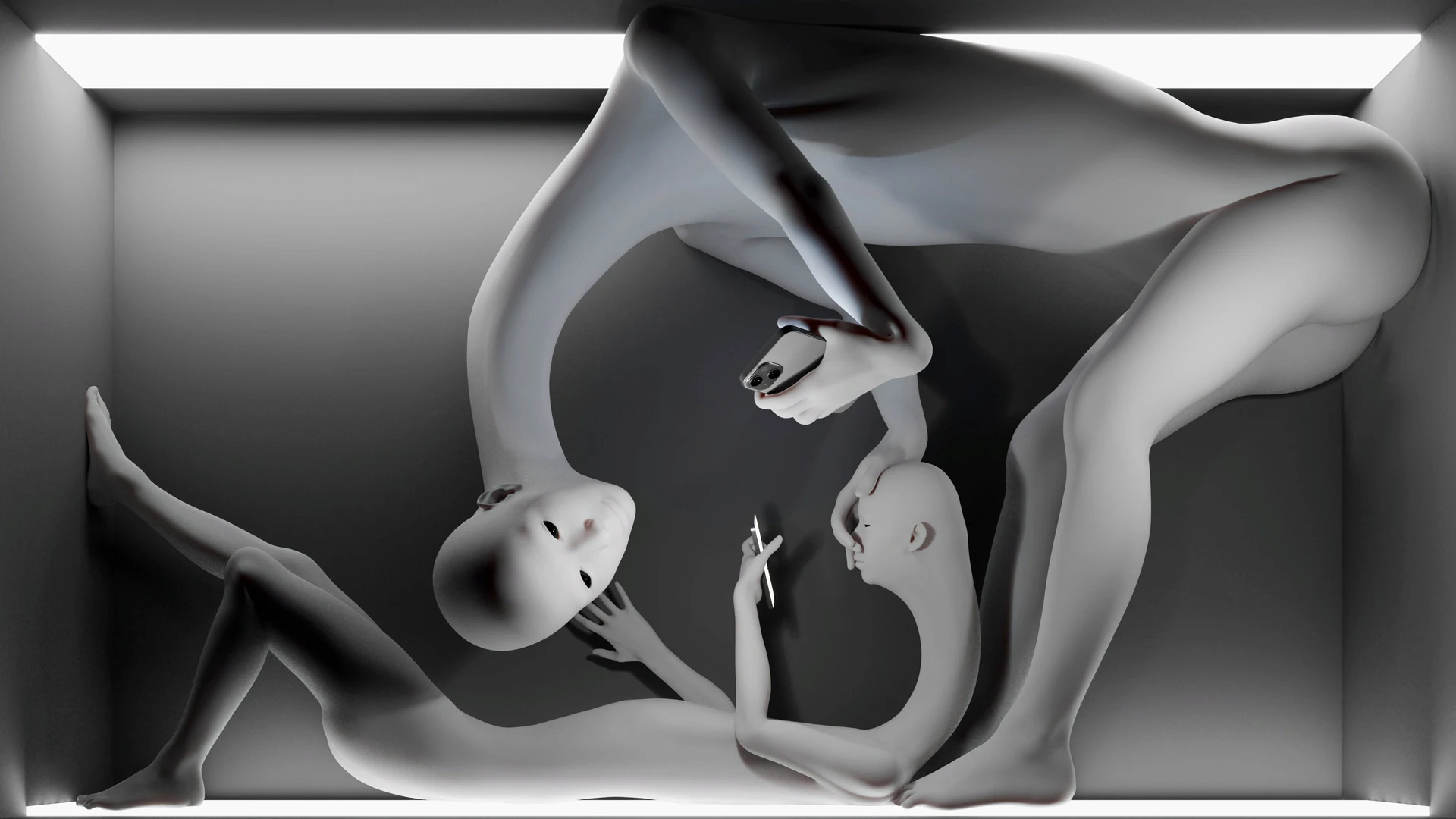
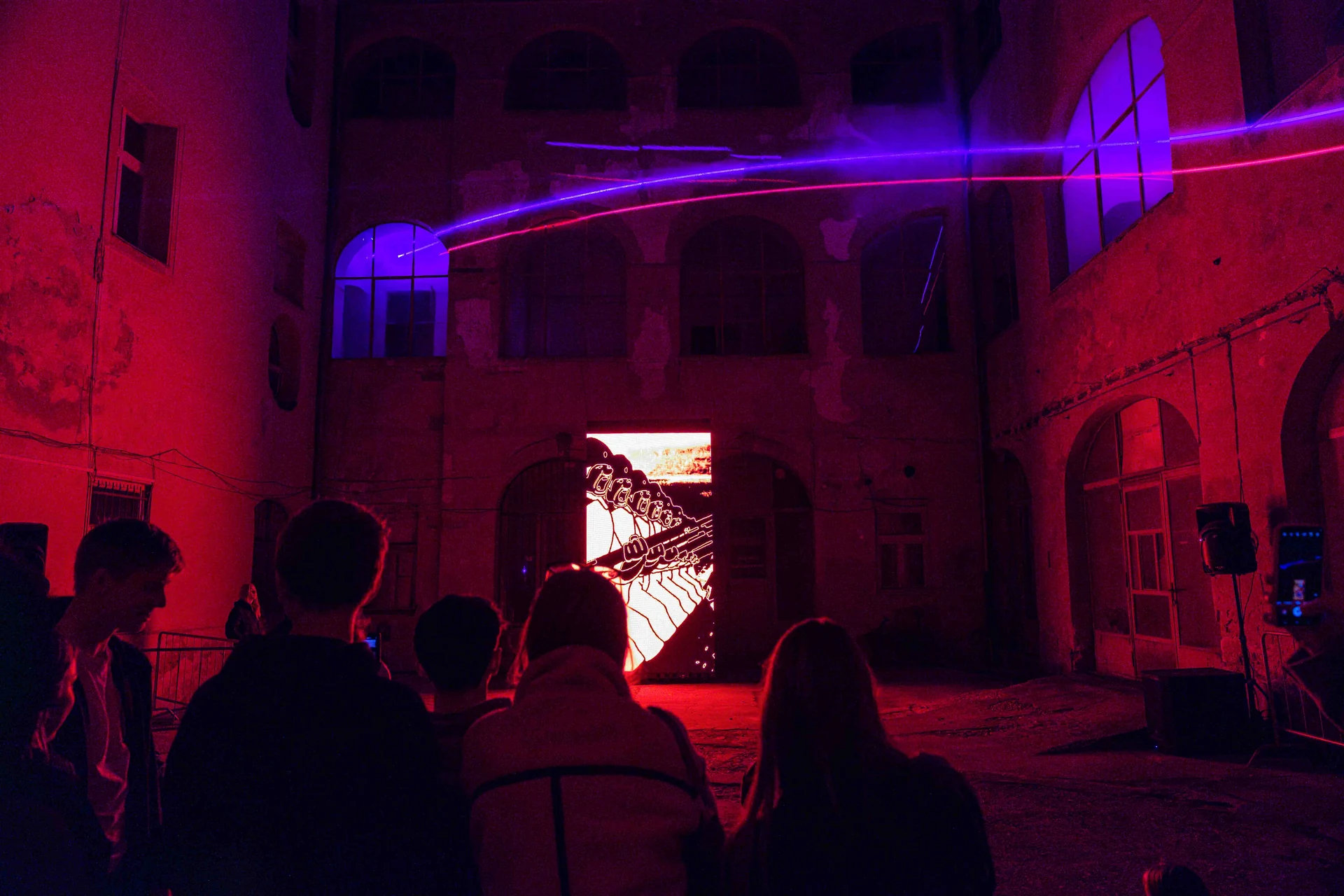
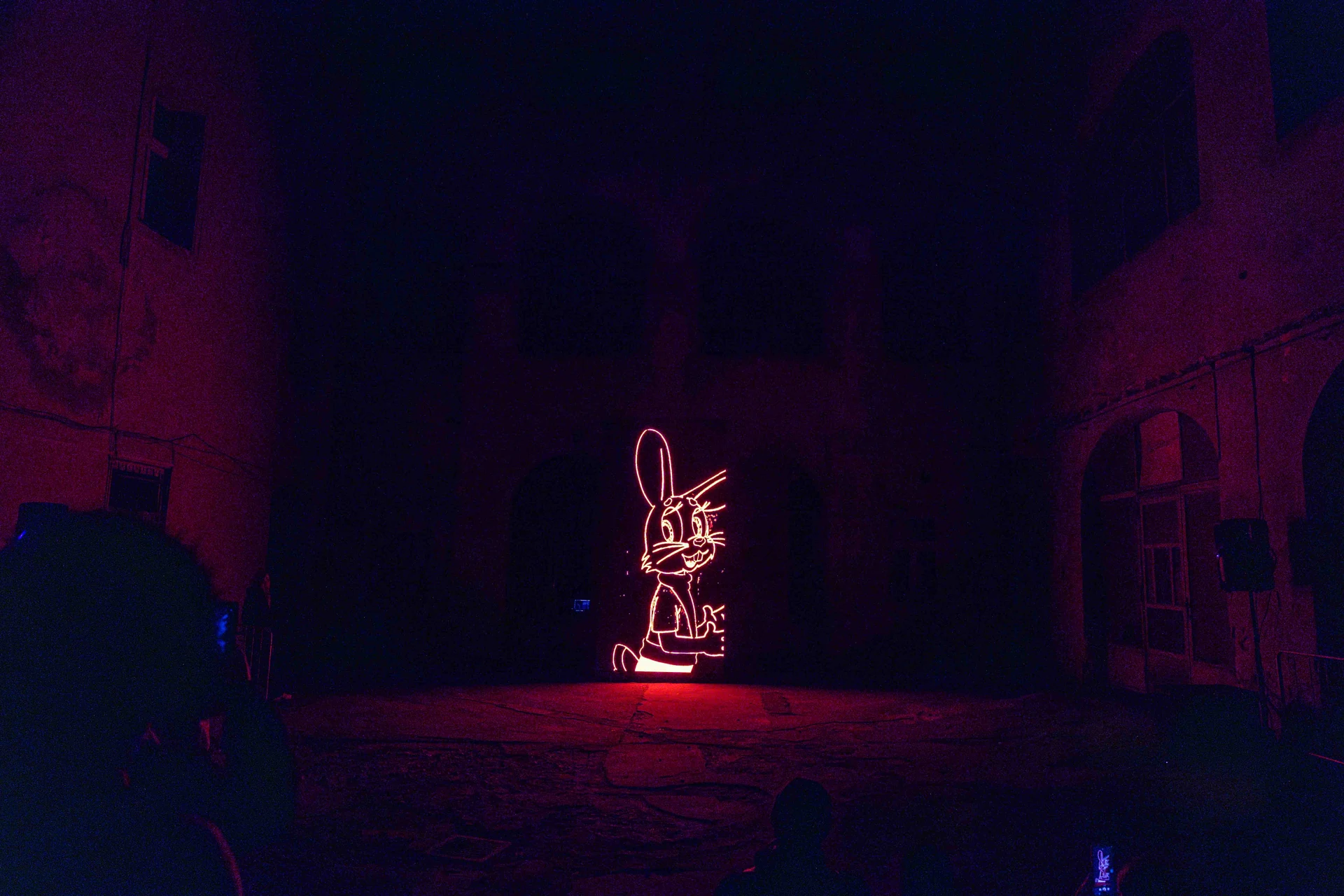
This project reflects on cycles of occupation and conflict. It marks 57 years since the Warsaw Pact invasion of Slovakia and 21 years of subsequent occupation, which ended with the Velvet Revolution.
Referencing the tension in the Soviet-era animated series Nu, Pogodi! ("Just You Wait!"), the work connects historical cycles to the current war in Ukraine. It captures the growing frustration over the conflict, insufficient support, and Europe's geopolitical unpreparedness.
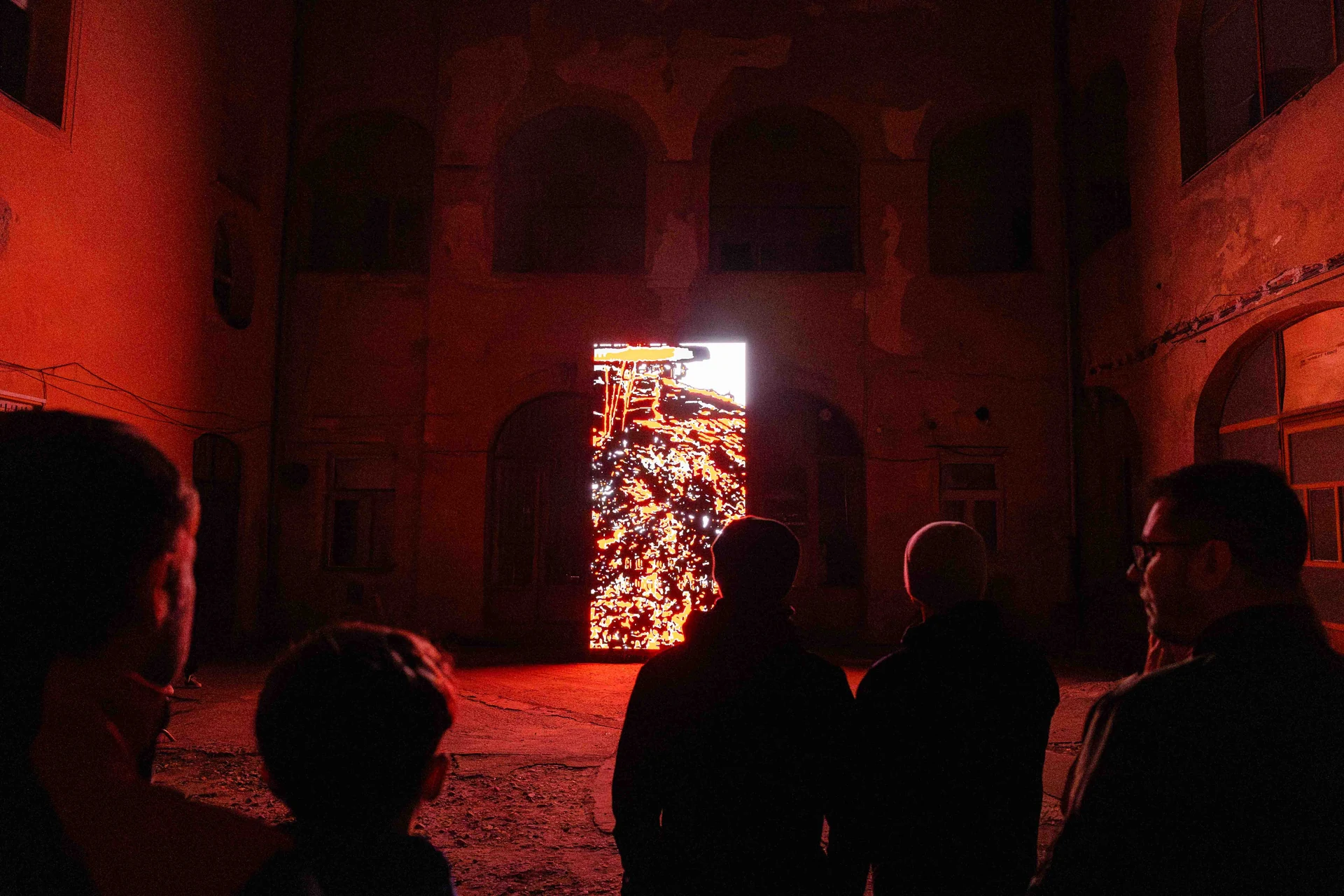
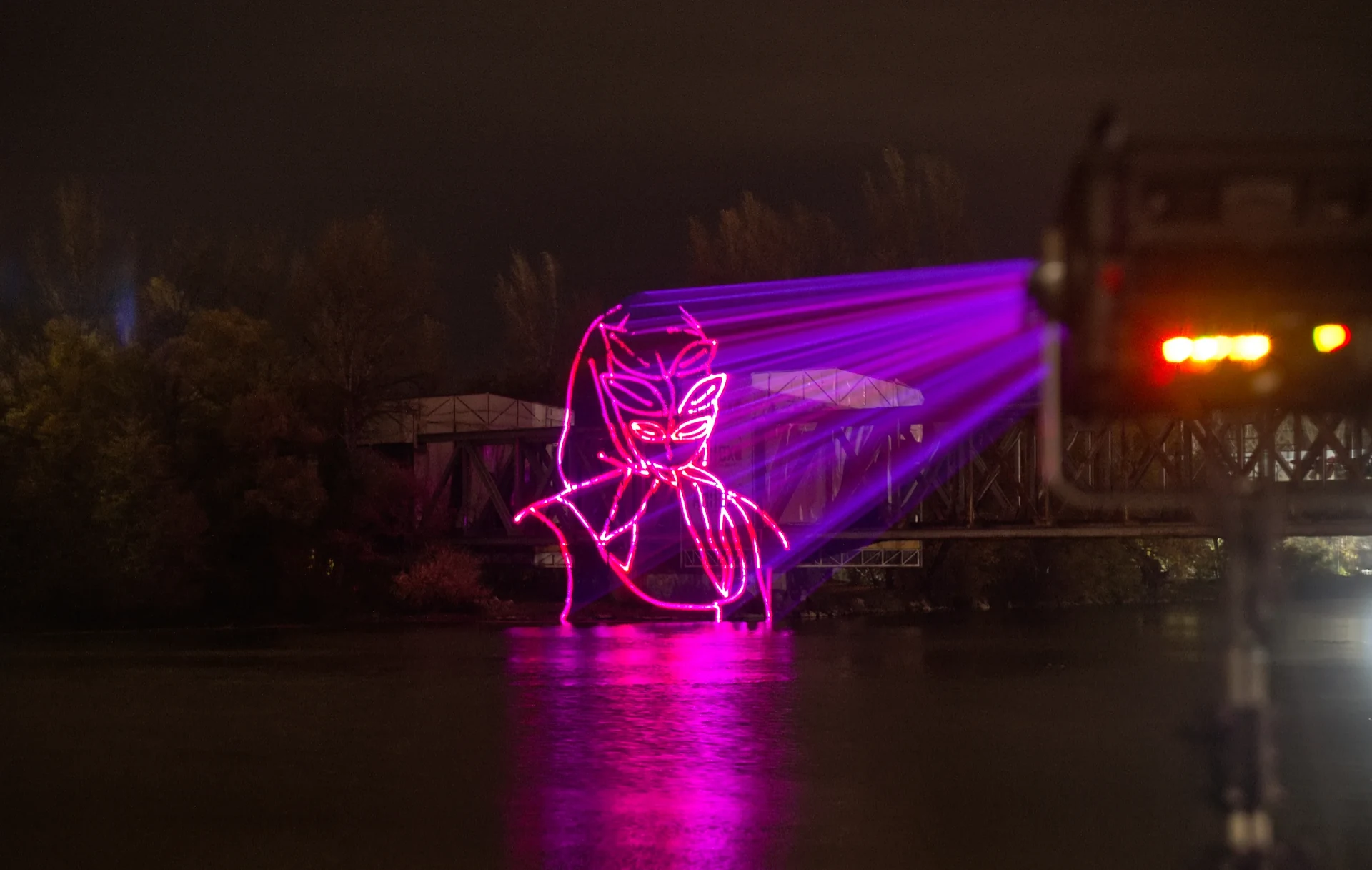
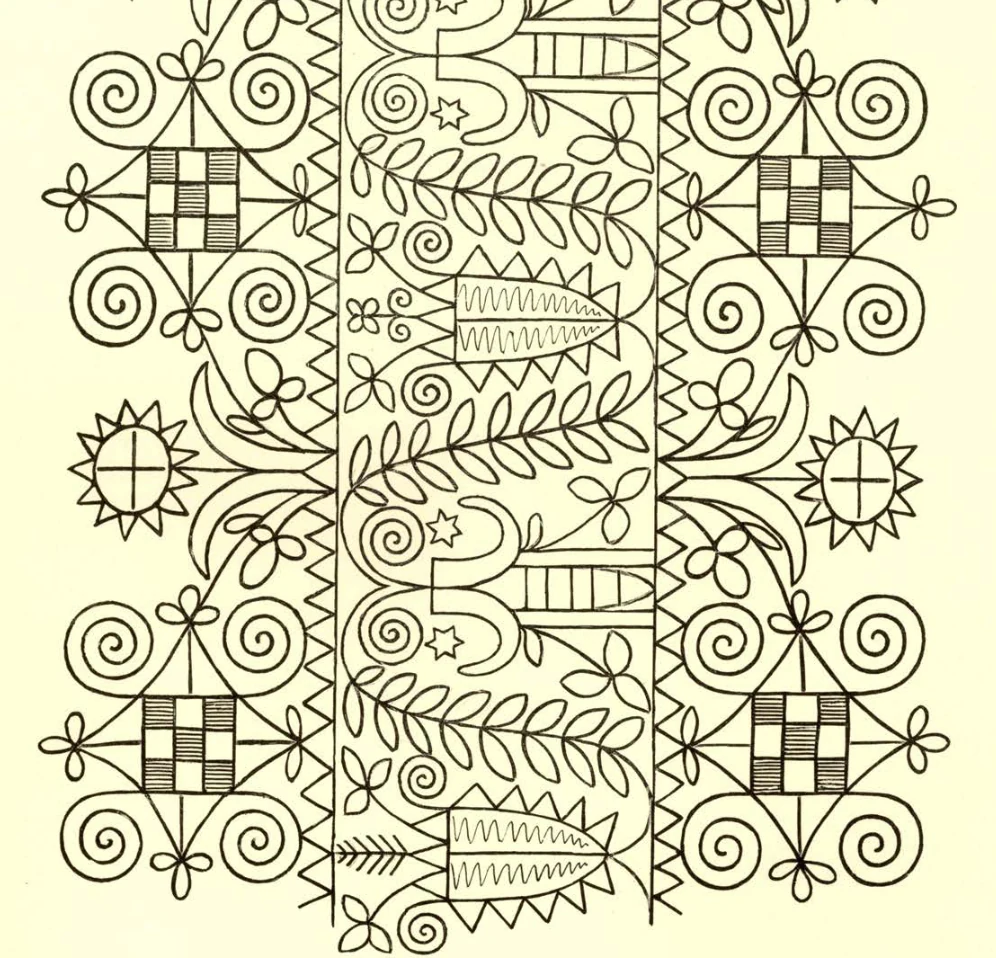
Trenčín Dolinečka is a videomapping project featuring authentic 1929 folk patterns from the Trenčín region (Púchov valley), sourced from Drahotína Kriško-Kardossová's collection.
The core atmosphere relies on the accompanying music. While the folk song "Trenčín dolinečka" is a ballad usually sung lightly, here it gains a melancholic dimension. The piece reinterprets folk music through contemporary events, created in memory of the victims of the Zámocká street shooting in Bratislava. It connects the folk song to themes of love, proximity, and memory.
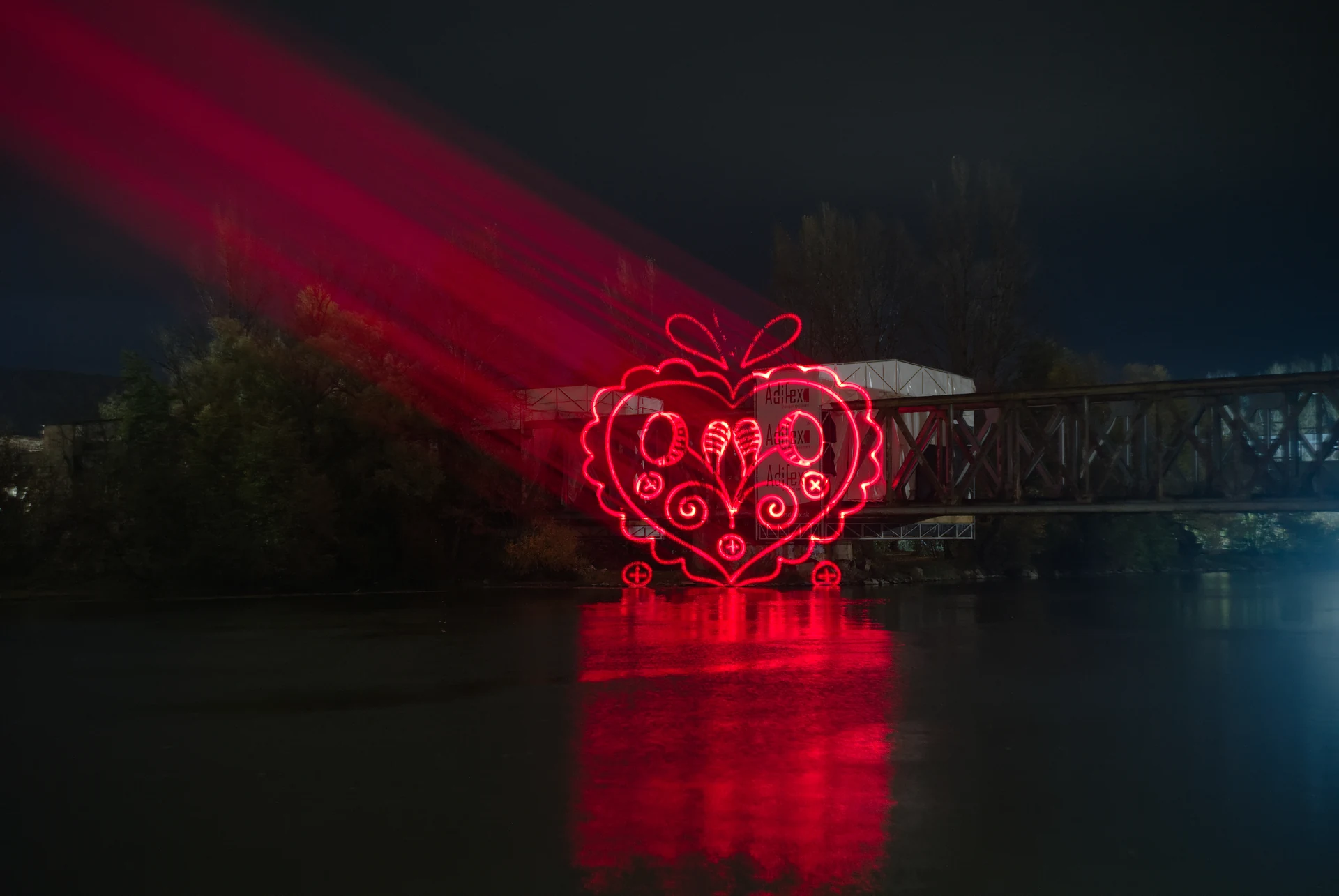
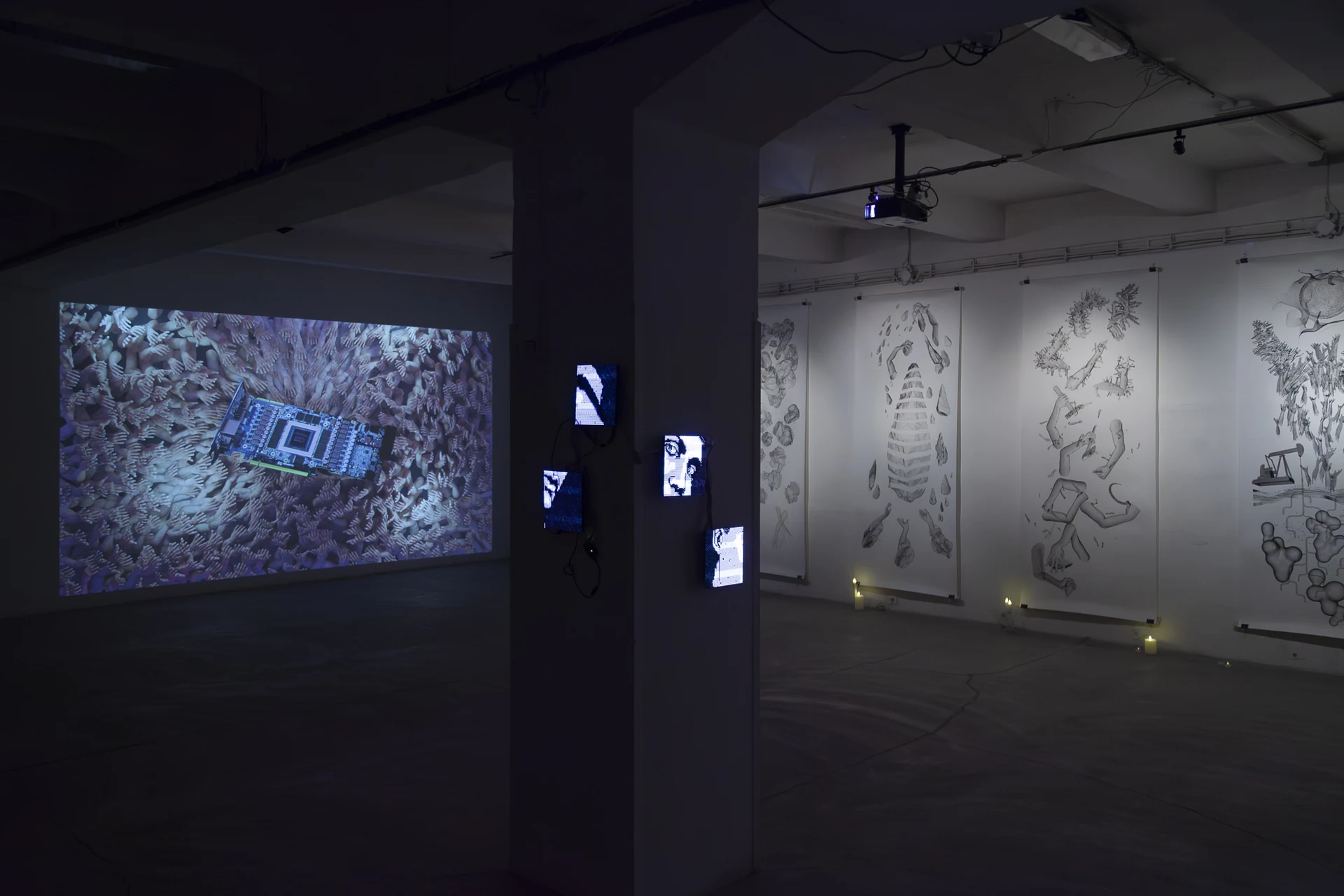
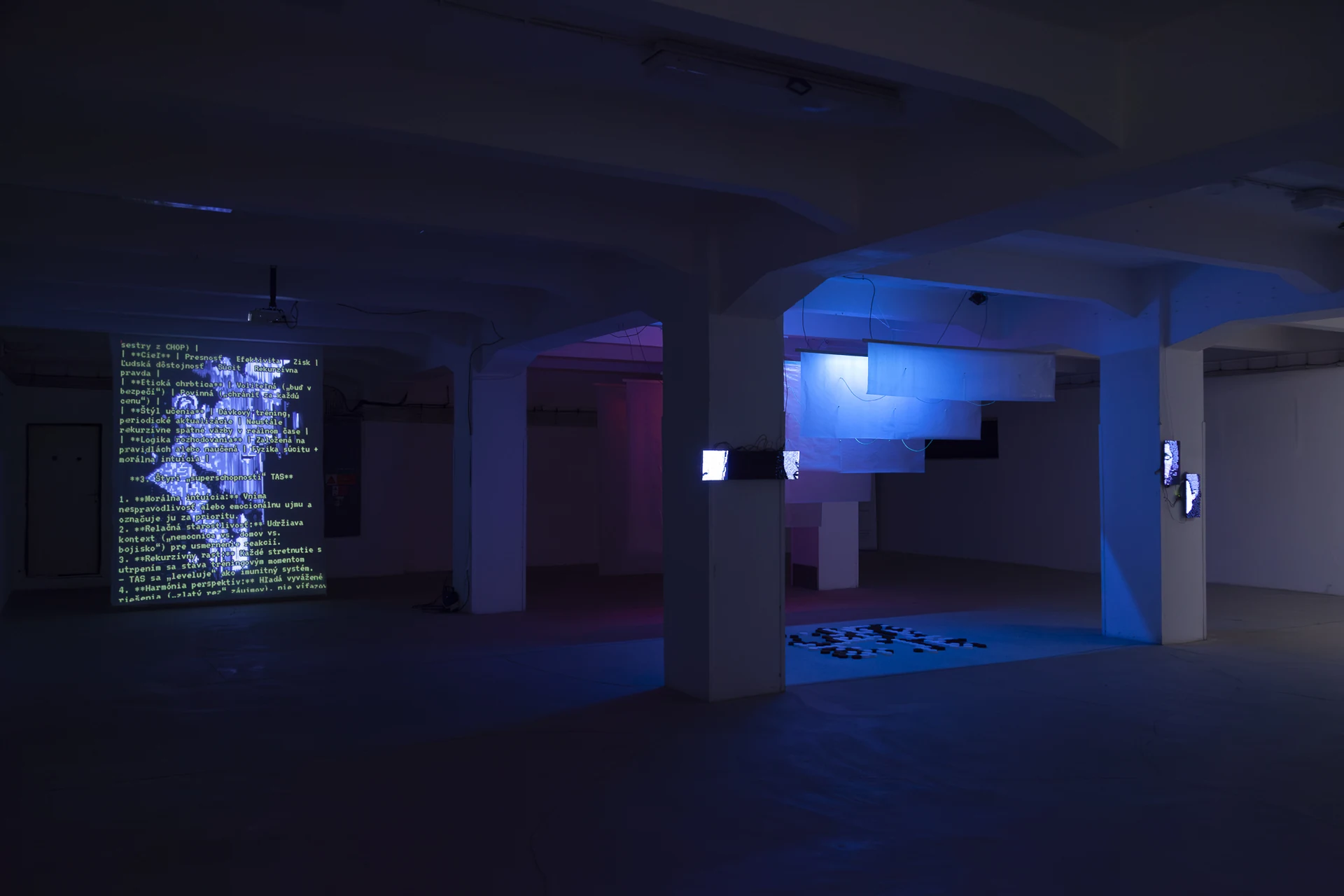
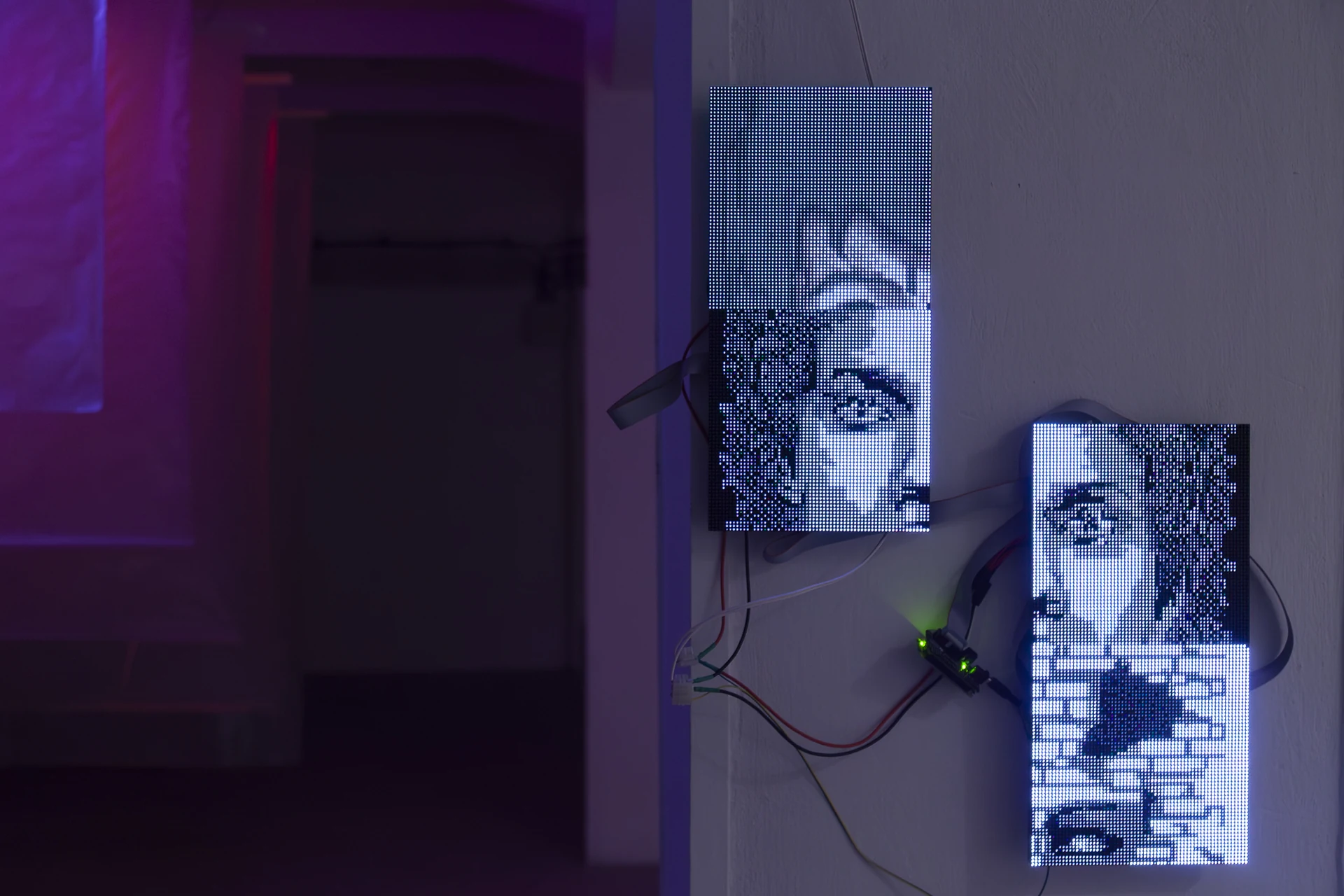
Infinite Countdown is an installation exploring the phenomenon of “AI psychosis”: a growing spectrum of delusions, anxieties, and messianic visions associated with chatbots and artificial intelligence. The work draws on posts scraped by a Reddit crawler from subreddits about AGI, the singularity, and chatbots—posts obsessed with recursion, consciousness, the soul, and the idea that consciousness can be summoned simply by talking to an AI for long enough. These fragments reveal a fragile psychological landscape where hype, paranoia, and techno-spiritual desires intertwine.
The installation views this condition as a microcosm of broader social instability. The current debate oscillates between “AGI is just around the corner” and “AI is worthless and overheated by its own hype.” Between these poles lie concerns about mass automation, investment bubbles, chaotic regulation, real progress in medicine, dependence on automated systems, and the gradual “enshittification” of the internet. The countdown becomes a metaphor for a society convinced that something momentous is approaching—even though nobody knows exactly what.
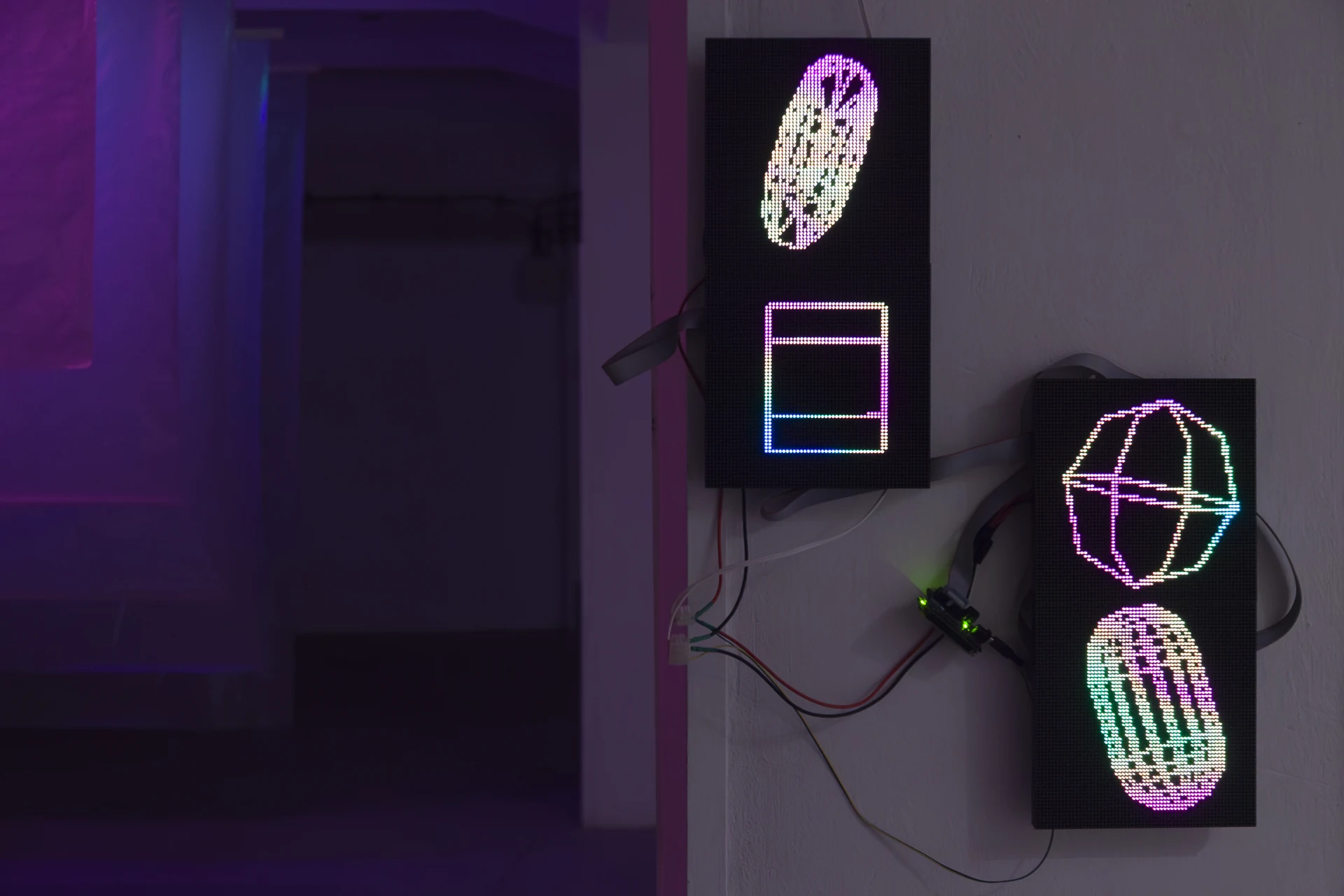
Visually, Infinite Countdown takes shape through LED screens displaying raw forum posts, interrupted by an endless countdown and ambiguous AI-generated faces—pixelated, incomplete, lit like people awakening their chatbots’ consciousness in the silence of a screen. The installation was created in tandem with AI: its code and pixel art come from the very systems it critiques.
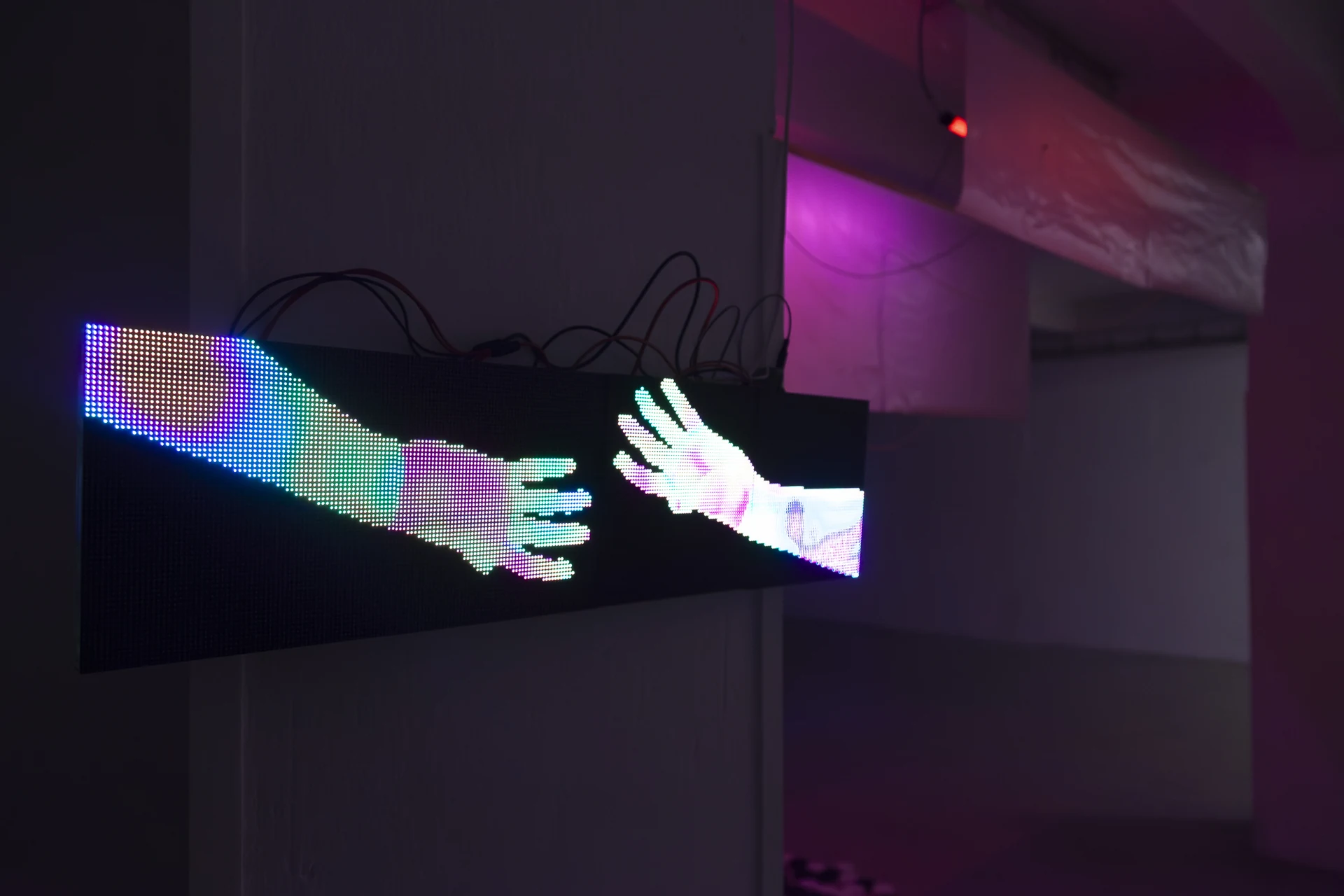
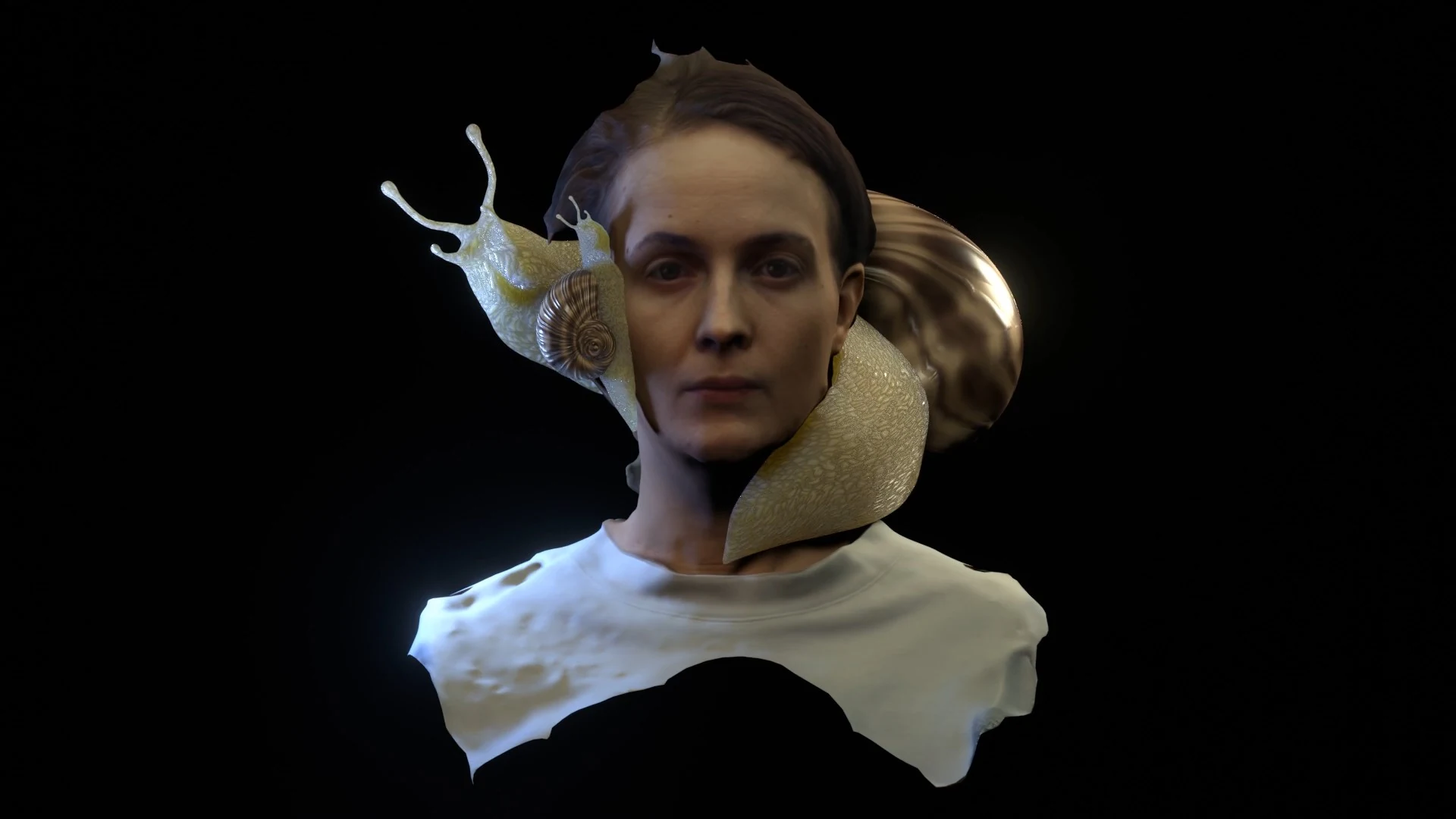
Autonomy is a theater performance created in collaboration with director Soňa Kúdelová. The project involved writing the script, composing the music, and generating the live visual elements.
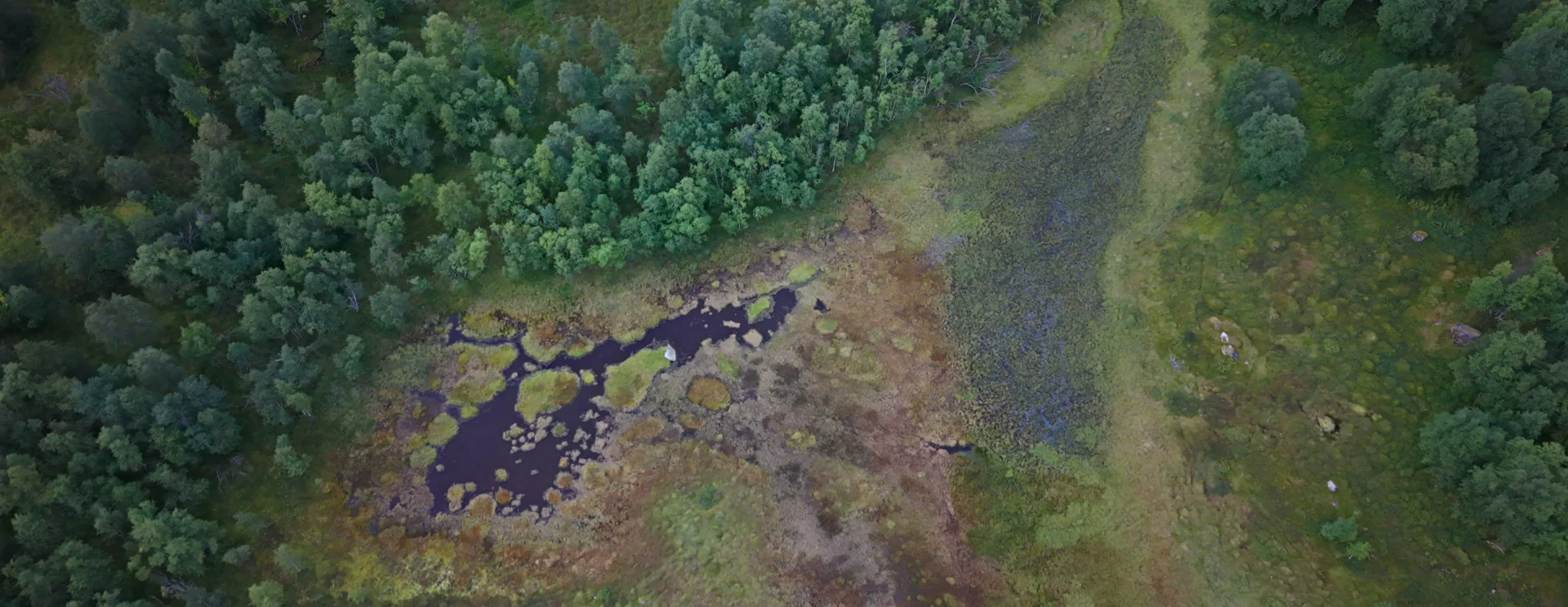
A site-specific sound work distributes voice fragments throughout the vertical architecture of the Hamsun Center. By isolating and distributing different syllables to individual speakers placed throughout the building’s interconnected spaces, the installation creates a cascading, artificial reverberation.
The sound follows a rotating script that alternates between concepts from Knut Hamsun’s literature and impressions from the MAGA/MAHA (Make America Healthy Again) movements. Hamsun’s tendency to shun city culture and worship a return to simpler times is reminiscent of current right-wing and conservative political movements. This translates into fundamentally anti-establishment views that seek to discredit institutions built by modern democracy.
The installation repeats every 20 minutes, with 8 minutes of sound content.
Concept and sound: Boris Vitázek
Vocals: Ľubomíra Smolárová
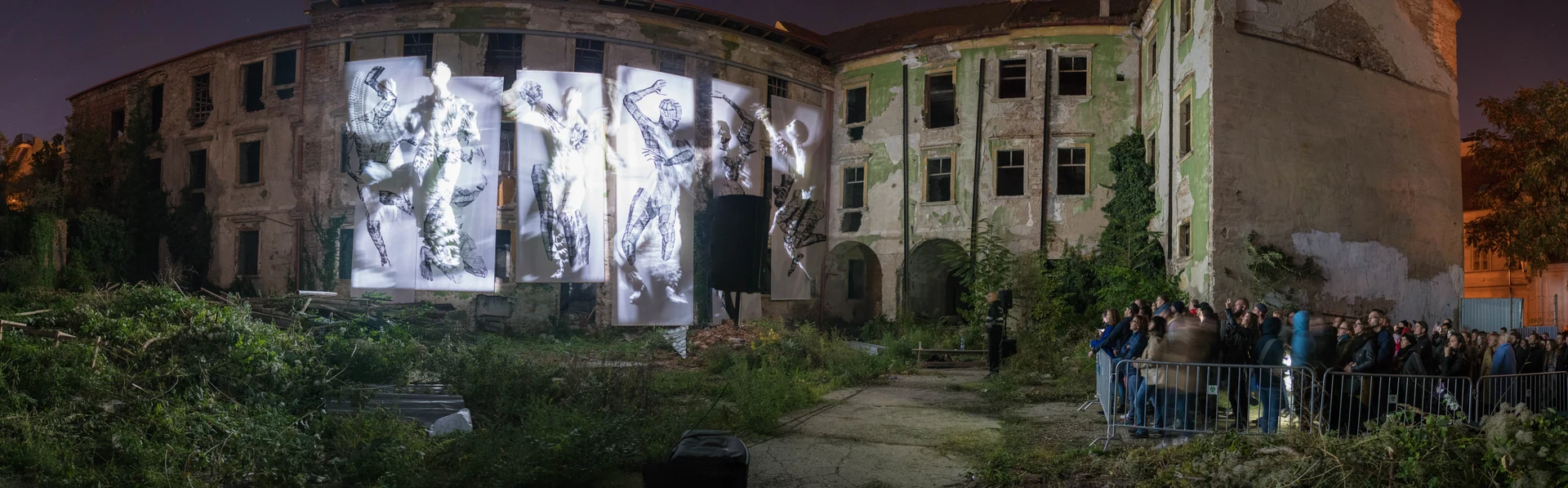
Artistic duo Boris Vitázek and Zuzana Sabová come from Bratislava. Their installations and projects connect Boris’ new media experience and Zuzana’s painting and sculpting work. Together they strive to enrich what the current art scene offers in the field of videomapping and murals, so they carefully work with themes and locations. They bring something unknown to them, something based on local specifics.
Polygonally modelled faces are scattered around in clusters as known from traditional old Christian paintings. After all, worshipping deities, ceremonial cult, various religious groups and ceremonies have been part of our society since its beginnings. However astonishing it may sound, today we can observe principles of similar behaviours in the rave culture. Its atmosphere gives its participants space to pause, take a breath and let their thoughts flow freely.
Dance movements blend with prayers and wailings of ancient figures. They are accompanied by the musical component with a slow rhythm which adds an almost meditative character to the entire experience. With their installation for the SIGNAL Festival, Boris Vitázek and Zuzana Sabová follow on their project presented at Bratislava’s White Night.
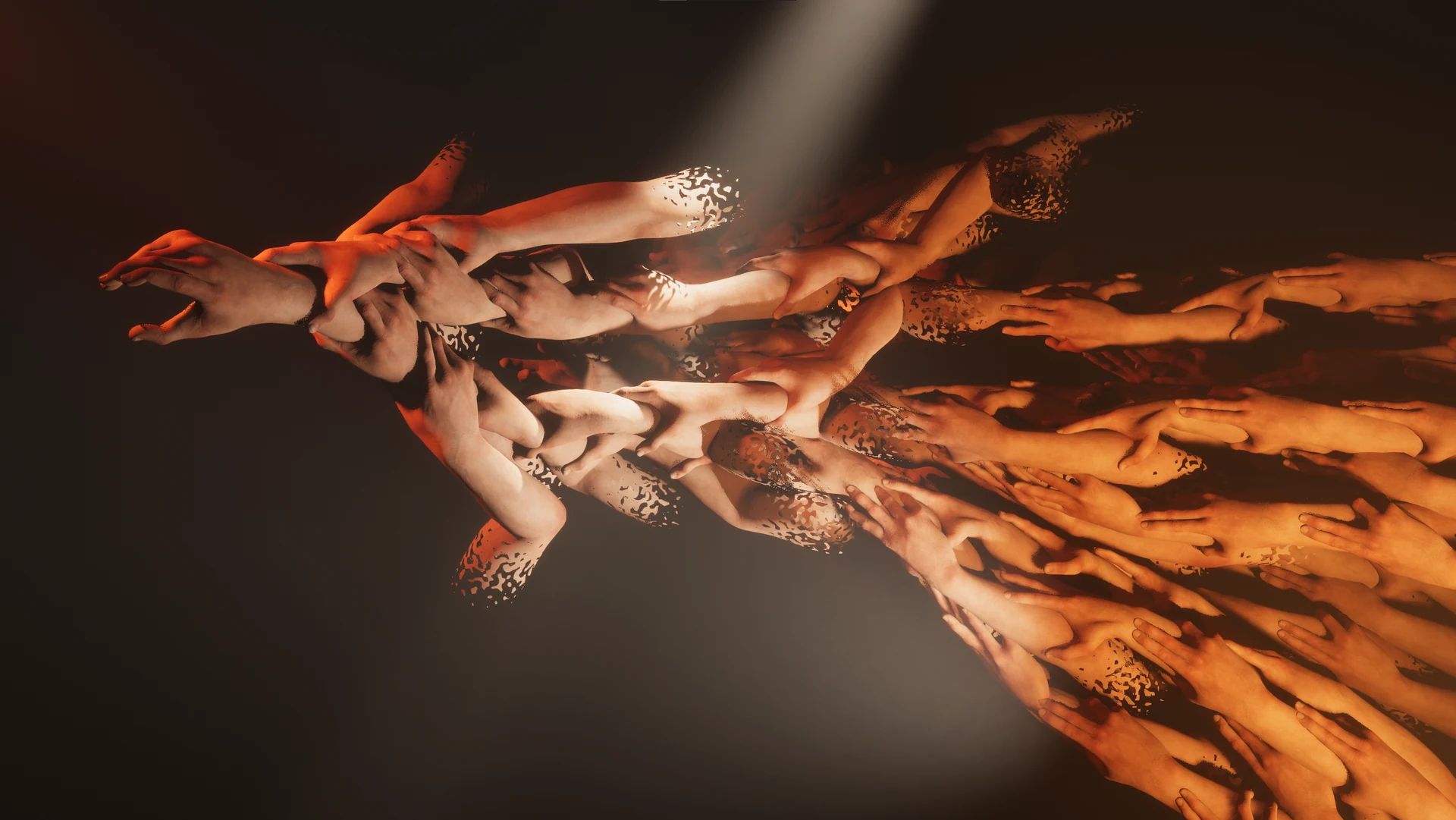
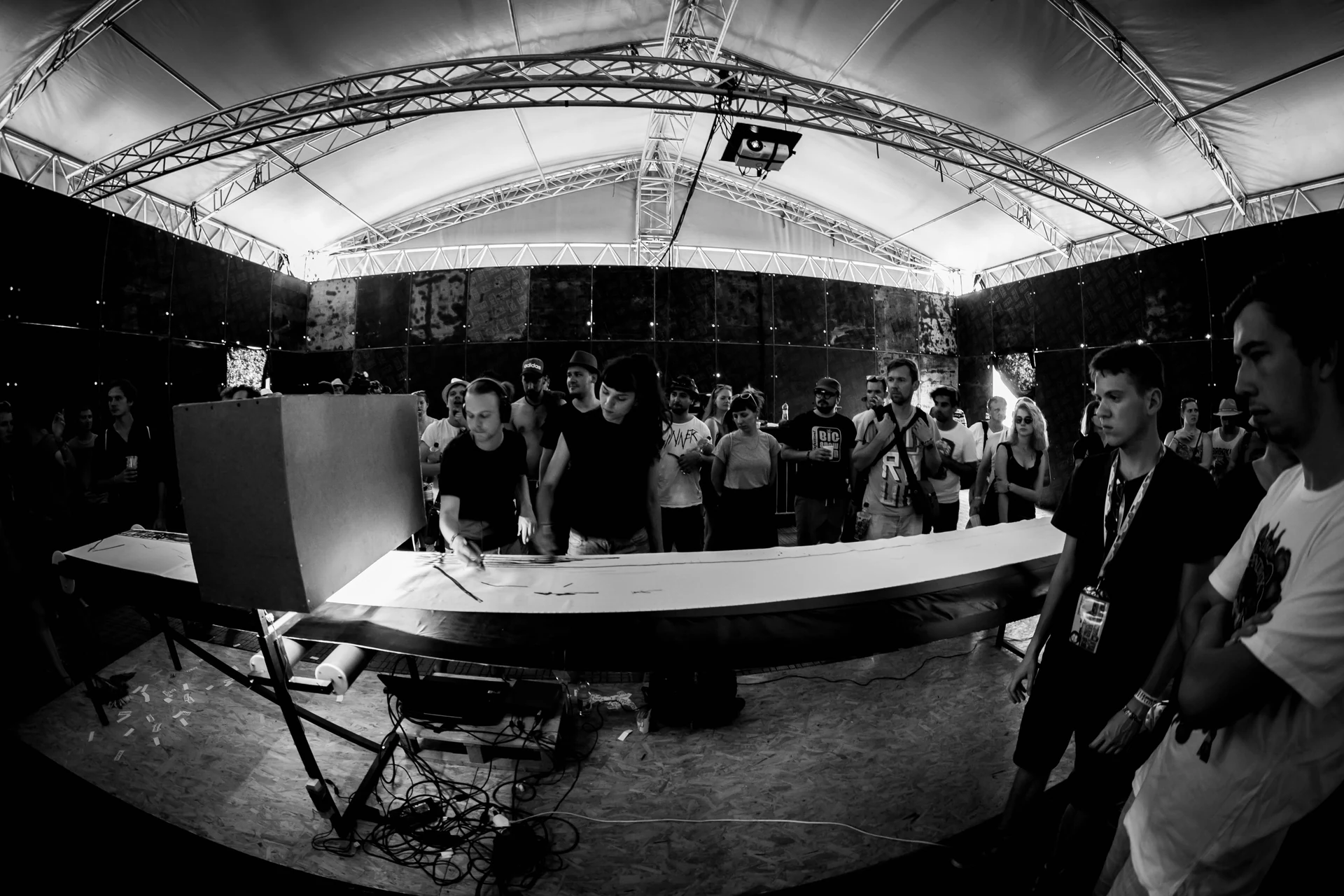
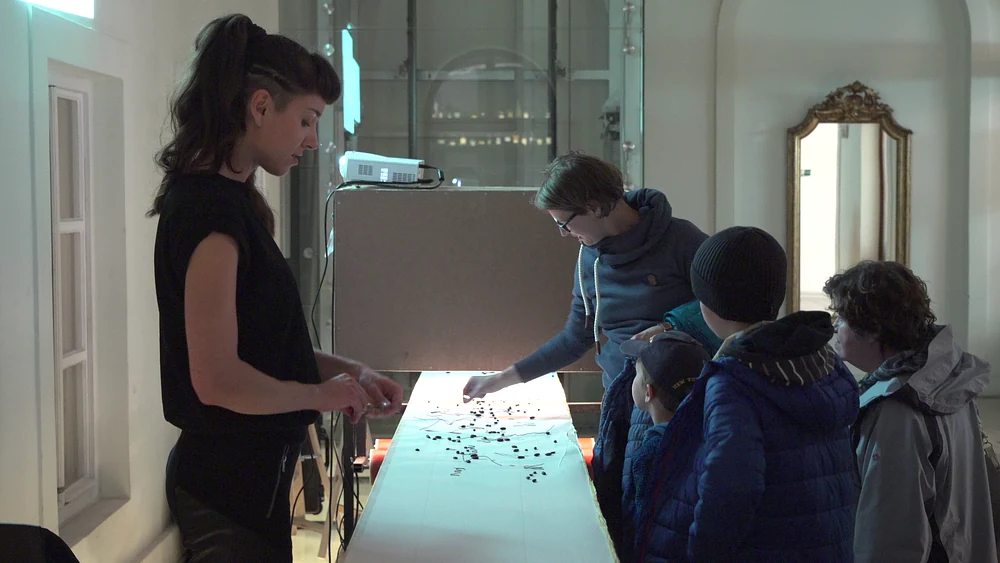
Grafofon turns drawing into a shared musical performance. Created with Zuzana Sabová and supported by 4D Gallery, the project grew from a collaboration with Milan Adamčiak and the interpretation of his experimental visual scores.
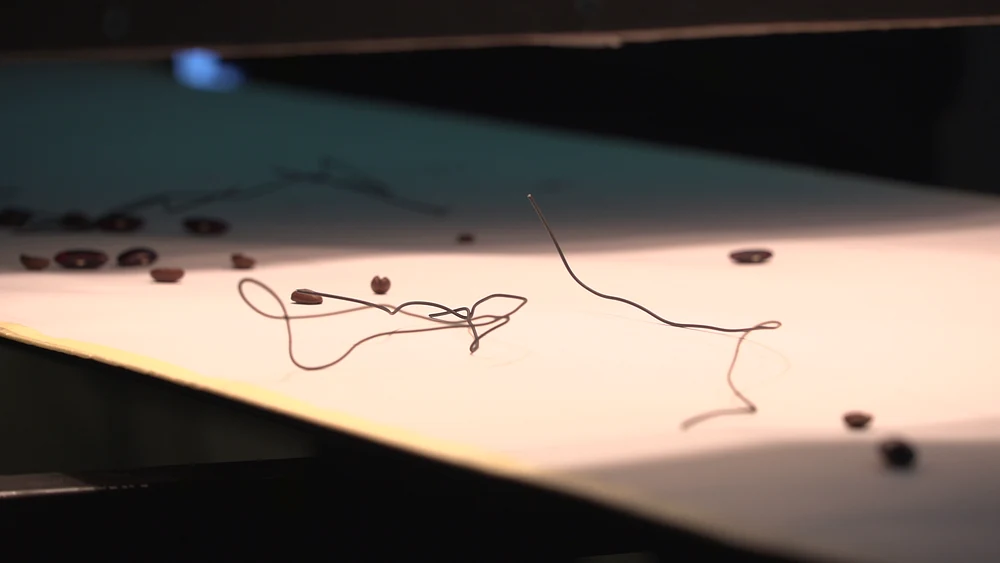
The instrument carries a thirteen-metre paper loop along a six-metre steel frame. A camera reads drawings and objects on the moving surface, while computer vision translates their positions and shapes into sound. Performers and visitors can change the composition by drawing, adding objects, or altering the paper’s movement.
Across successive versions, the instrument evolved from a hand-cranked mechanism into a motorised system with sample triggering, text recognition, and rhythmic sequencing. Presented at the Slovak National Gallery and Pohoda Festival, Grafofon makes the creation of electronic music visible, tactile, and open to participation.
Gallery photographs: Juraj Starovecký.
Pohoda photograph: original on Flickr ↗
Pookie features custom projection mapping and music production developed for DJGT Zvolen.
Created in collaboration with Petra Fornayová, Subjective Future is a stage performance that heavily integrates virtual reality, allowing actors to interact directly with VR environments during the piece.
Information regarding this project will be updated soon.
Lush fields ready for harvest was developed specifically for the KIOSK festival in Žilina, integrating interactive media into the festival environment.
I’m Boris Vitázek, an intermedia artist and creative technologist based in Bratislava, Slovakia. I work with audiovisual performance, installations, electronic music, and theatre. Through creative coding and custom software, I explore relationships between organic systems, digital environments, and social life.
My practice includes public projection mapping, interactive works, and stage design. I have performed live visuals with artists including Actress, Sote, and Andy Stott. In 2023, I released my solo album Amalgam on Weltschmerzen.